
Liquid Silicone Rubber Molding
Silicone Injection
Molding Services
Custom LSR parts, from tooling to production.
Request a QuoteShare your 3D files and application requirements.
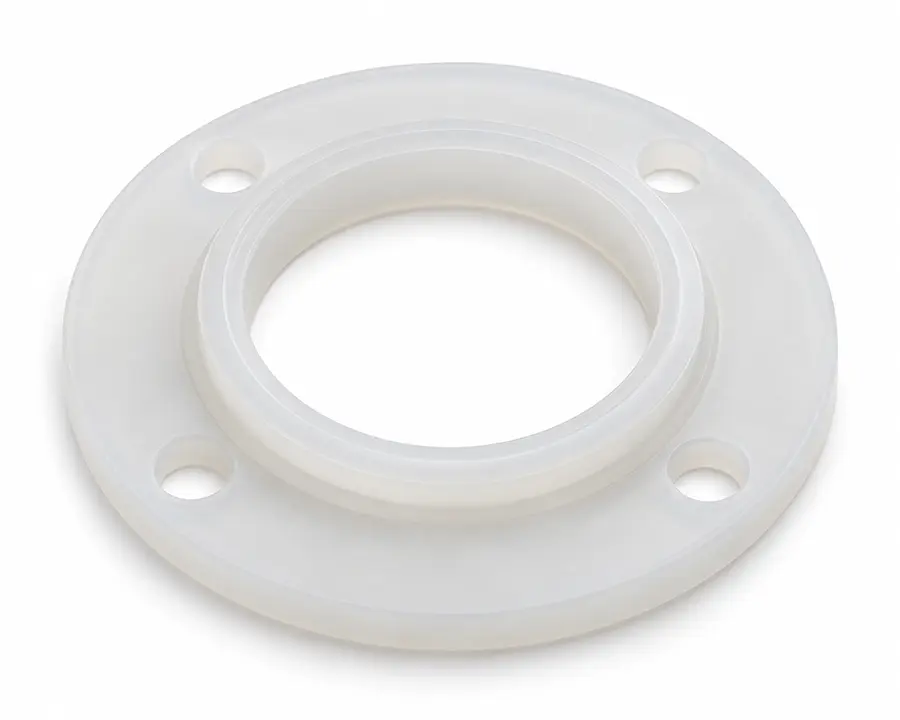
Silicone Injection Molding Capabilities
Support for custom silicone components, from mold development and sampling to production.
LSR Injection Molding
Custom silicone seals, gaskets, valves, and flexible components made to your design.
Insert Molding & Overmolding
Silicone combined with compatible plastic or metal inserts for integrated components.
Silicone Mold Development
Mold design, manufacturing, and trial support built around your part geometry and production needs.
Prototype & Production Support
Sampling and design validation to support a smooth transition into repeat production.
Applications of Silicone Injection Molding
Custom silicone components for sealing, protection, and flexible functions across industries.
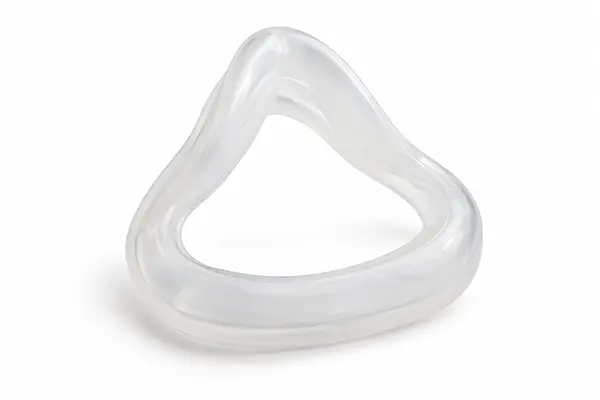
Medical & Healthcare
Respiratory mask seals, flexible diaphragms, and valve components.
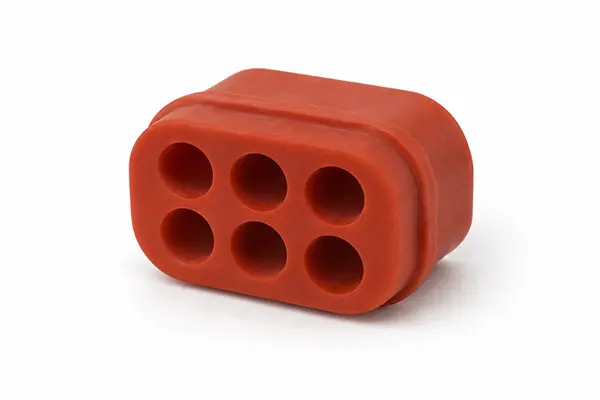
Automotive
Connector seals, cable grommets, and protective boots.
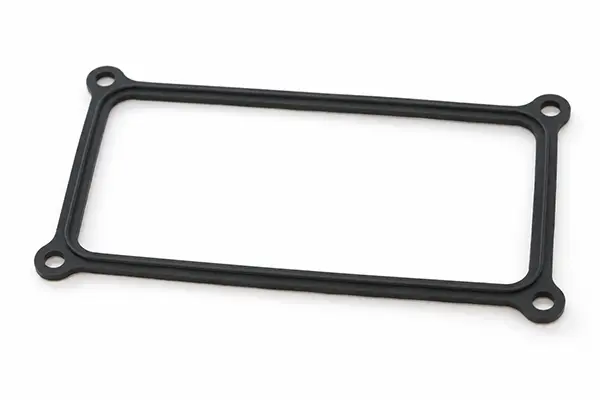
Electronics & Electrical
Enclosure gaskets, insulating covers, and button membranes.
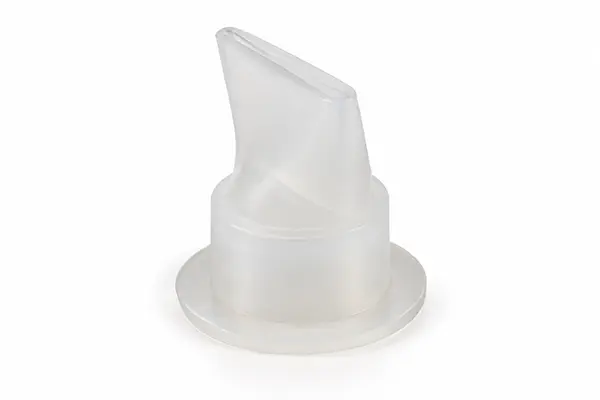
Food & Beverage Equipment
Dispensing valves, equipment gaskets, and flexible seals.
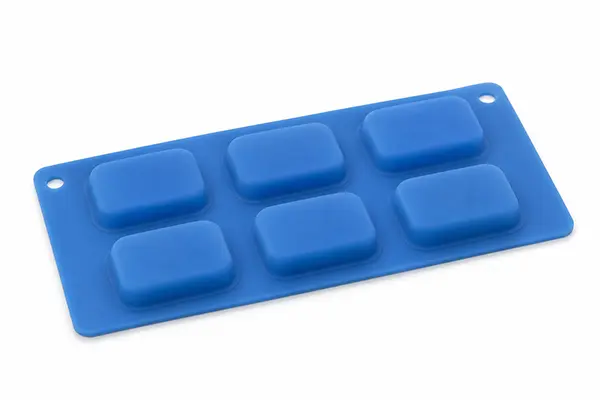
Consumer Products
Silicone keypads, wearable device seals, and soft grips.
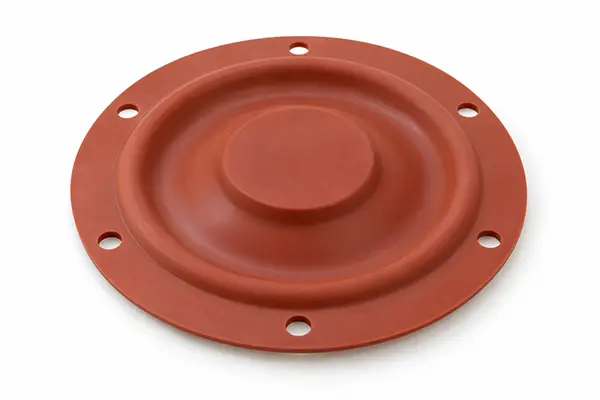
Industrial Equipment
Pump diaphragms, valve seals, and dust protection covers.
From Part Design to Silicone Production
A clear path from your initial requirements to approved samples and finished components.
-
Project Review
Share your CAD files, application requirements, critical dimensions, and expected quantities.
-
Material & DFM Review
Review silicone grade, hardness, part geometry, and molding feasibility before tooling begins.
-
Tooling Development
Design and manufacture the mold around your approved part design and production needs.
-
Sampling & Approval
Produce trial samples for dimensional, appearance, and agreed functional checks before approval.
-
Production & Inspection
Mold components using approved process settings and inspect against agreed quality requirements.
-
Finishing & Delivery
Complete trimming, post-curing where required, and project-specific packaging for shipment.
Design Support for Silicone Molded Parts
Review the details that affect mold filling, sealing performance, and part release before tooling begins.
Start with Your Part Design
Share CAD files, material requirements, critical dimensions, and any sealing or appearance surfaces.
Get a DFM Review-
Wall Thickness & Transitions
Review thin sections, ribs, and radii for consistent filling and reduced stress concentration.
-
Parting Lines & Gates
Position mold splits and gates away from critical sealing and appearance surfaces where practical.
-
Venting & Flash Control
Plan venting and mold shutoffs to manage trapped air and flash on functional surfaces.
-
Demolding & Undercuts
Check undercuts, draft, and part flexibility for reliable release without tearing.
-
Shrinkage & Tolerances
Account for material shrinkage and define tolerances around critical fit and function.
-
Inserts & Bonding
Review insert positioning, substrate heat resistance, and the bonding or mechanical retention method.
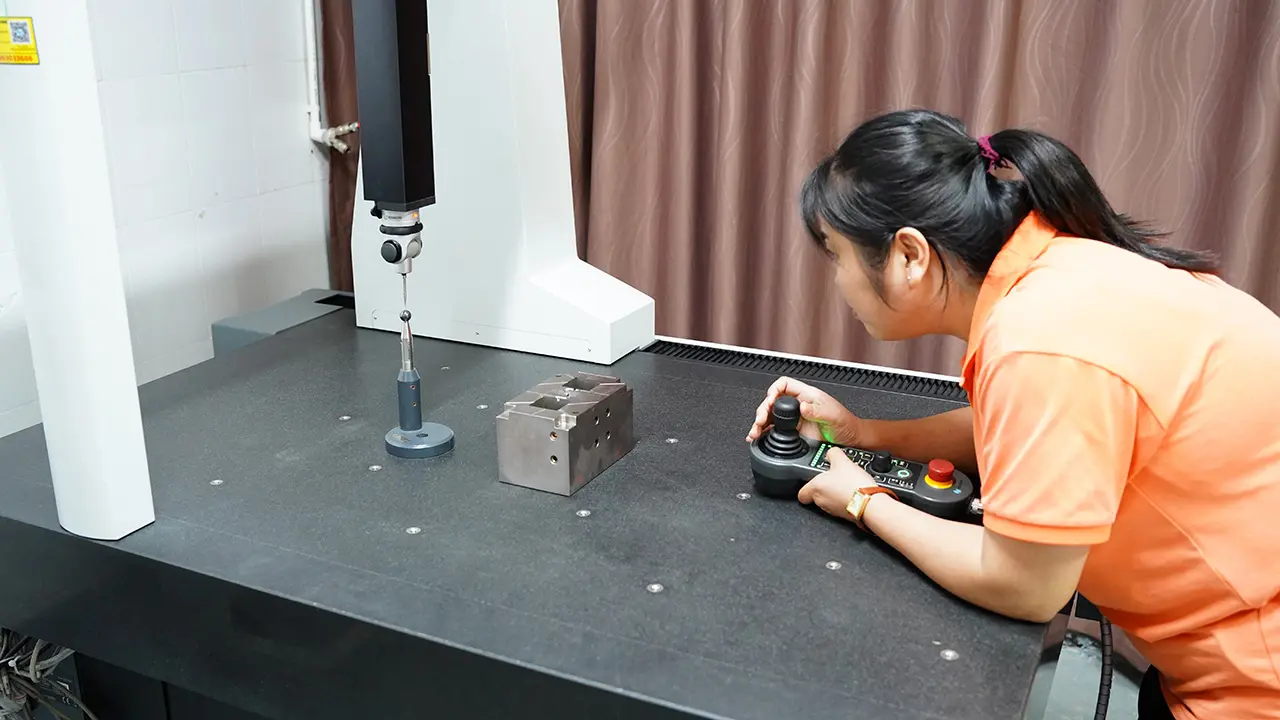
Quality Control for Silicone Molded Components
Inspection plans built around your material, critical dimensions, and functional requirements.
-
Material Verification
Confirm silicone grade, batch identification, and required supplier documentation.
-
First Article Inspection
Check sample dimensions, appearance, and specified material properties before production approval.
-
In-Process Checks
Monitor critical dimensions and inspect for flash, incomplete filling, bubbles, and contamination.
-
Functional Verification
Define project-specific checks for sealing, leakage, or assembly fit against agreed acceptance criteria.
Documentation & Traceability
Material records, inspection reports, and batch identification maintained to the agreed project requirements.
What Affects Silicone Injection Molding Cost?
Your quote reflects both the mold investment and the cost of producing each component.
Tooling Investment
-
Part Geometry
Undercuts, thin sections, and insert features influence mold complexity and manufacturing work.
-
Cavities & Mold Configuration
Cavity count, runner design, and automation requirements affect tooling investment and production capacity.
-
Tolerances & Flash Requirements
Tight dimensions and strict flash limits require closer control of mold construction and fitting.
Part Production Cost
-
Material & Part Weight
Silicone grade, color, special properties, and material consumption influence the cost per part.
-
Order Quantity & Cycle Time
Production volume affects setup cost allocation, while molding and curing time influence output.
-
Finishing & Inspection
Trimming, required post-curing, testing, assembly, and packaging add to the production scope.
Share your CAD files, material requirements, and expected quantities for a project-specific quote.
Request a QuoteSilicone Injection Molding FAQs
Answers to common questions about silicone materials, part design, tooling, and production.
Have a specific part in mind?
Discuss Your ProjectHow does LSR injection molding differ from compression molding?
LSR injection molding meters and mixes liquid silicone before injecting it into a heated mold. Compression molding places a measured silicone charge into a heated mold and applies pressure. Part geometry, material, and production volume guide process selection.
How do I choose the right silicone grade and hardness?
Start with the part’s function, operating temperature, contact media, and mechanical requirements. Hardness should be evaluated alongside tear strength, compression set, and flexibility, particularly for seals and moving components.
Can silicone be molded over plastic or metal inserts?
Yes, suitable designs can combine silicone with plastic or metal inserts. Substrate heat resistance, insert positioning, and material compatibility must be reviewed. Retention can involve mechanical features, a suitable bonding system, or both.
What tolerances can you achieve for silicone parts?
Achievable tolerances depend on part geometry, silicone grade, mold design, and measurement method. Mark critical dimensions, sealing surfaces, and assembly interfaces on your drawing so tolerances and inspection conditions can be agreed before tooling.
What is required for food-contact or medical applications?
These applications require suitable material grades and application-specific documentation and validation. Share the intended contact conditions, cleaning or sterilization methods, and applicable requirements so material and production suitability can be reviewed.
Do silicone molded parts require post-curing?
Not all silicone grades require post-curing. The requirement follows the material supplier’s processing guidance and the finished part’s performance or contact requirements. Any required post-curing should be included in the production plan.
What are your minimum order quantity and lead time?
Minimum order quantity and lead time are confirmed after reviewing the part, material, tooling, and requested quantities. Mold development, sample approval, and production schedules are assessed separately in the quotation.
What information do you need for a quotation?
Send your 3D CAD files, drawings, expected quantities, and intended application. Include the specified silicone grade or performance requirements, hardness, color, critical tolerances, and any testing or packaging needs.
Let’s Review Your Silicone Part.
Discuss material selection, tooling, and production for your custom silicone components.