
Aerospace
Injection Molding
Services
Precision injection molding for lightweight aerospace components, with high-temperature materials and custom tooling.
and application requirements.
- High-Temperature Plastics
- Insert & Overmolding
- In-House Tooling
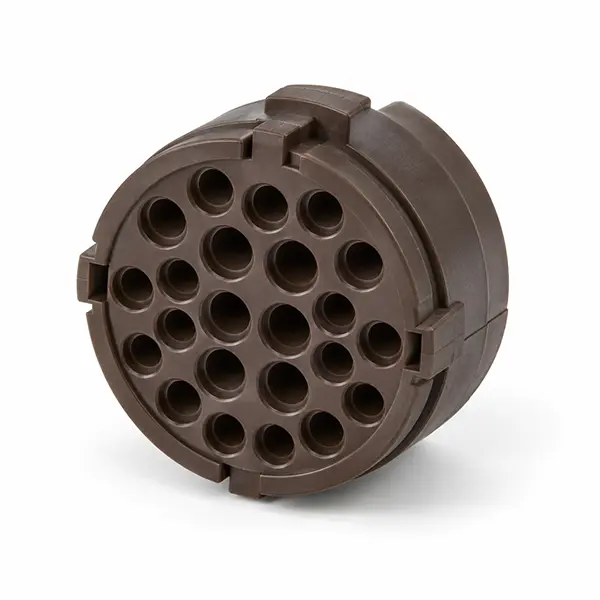
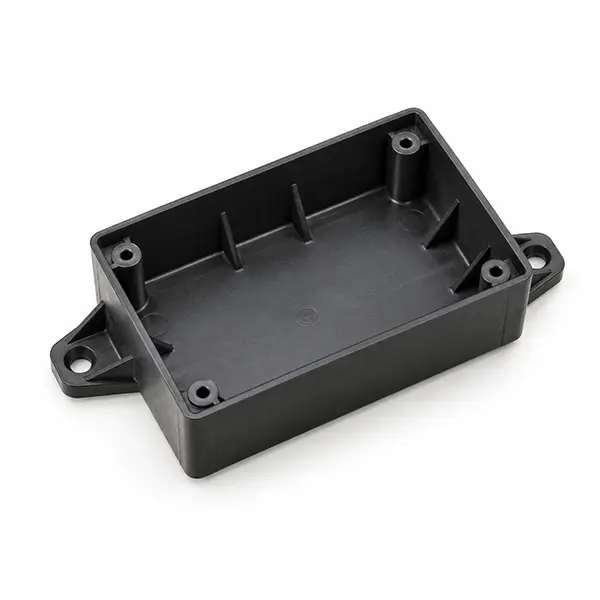
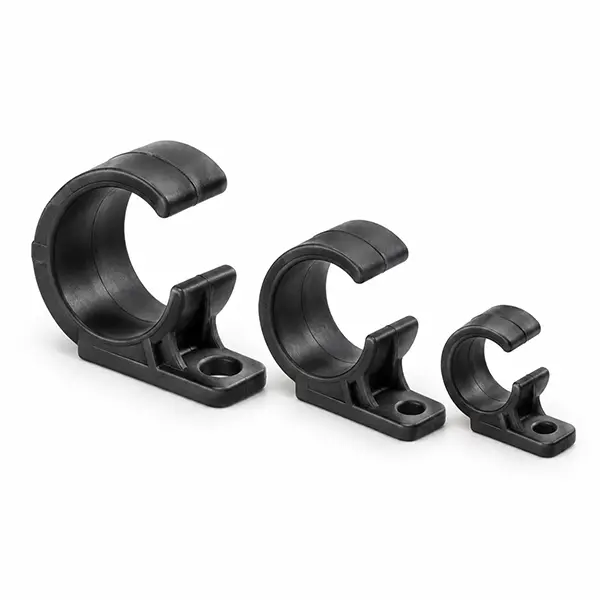
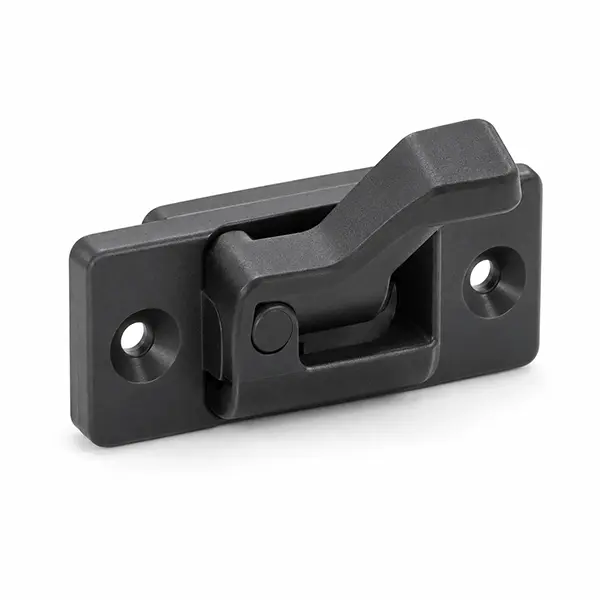
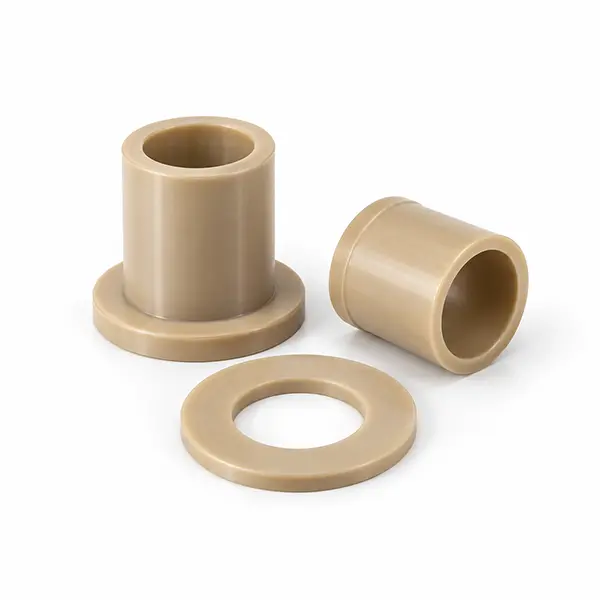
Metal-to-Plastic Conversion for Aerospace
Evaluate high-temperature plastics for lighter components, integrated features and fewer assembly steps.
Re-engineer the part around the material.
PEEK, PEI and PPS options are reviewed against your application. Geometry, reinforcement and assembly details are considered together.
Reduce Component Weight
Assess plastic alternatives for selected brackets, housings and guides while accounting for stiffness and load.
Integrate More Features
Combine ribs, clips, locating features and mounting points in one molded design to reduce separate parts.
Build In Electrical Insulation
Consider insulating polymer grades for connectors and supports, with thermal and electrical requirements reviewed together.
- Temperature
- Load & Creep
- Thermal Expansion
- Assembly Fit
- Qualification Requirements
Quality & Traceability
Material grade verification, critical dimension inspection and batch records aligned with agreed project requirements.
Explore Quality ControlFrom CAD to Production
A coordinated process covering design review, tooling, sample approval and production delivery.
View Our WorkflowEngineering & Manufacturing
In-house mold making and high-temperature plastic molding, supported by engineering review from development to production.
Discover Our CapabilitiesAerospace Injection Molding FAQs
Material selection, component design and manufacturing considerations for your aerospace plastic parts.
Have a specific part in mind?
Discuss Your ProjectWhich high-temperature plastics can be considered for aerospace parts?
PEEK, PEI and PPS are options for evaluation. The exact grade, reinforcement and molding approach depend on temperature, loading, chemical exposure and the project’s material requirements.
How do you choose between PEEK, PEI and PPS?
We review grade-specific data against your operating conditions, electrical needs, dimensional requirements and budget. Where applicable, specified fire-performance criteria also guide selection.
Can high-temperature plastics replace metal components?
Selected housings, brackets, insulators and guides may be suitable. Evaluation includes stiffness, creep, thermal expansion and fastening. A replacement often requires geometry changes and application testing.
How do you account for dimensional changes at elevated temperatures?
Material expansion, reinforcement orientation, molding shrinkage and mating-part clearances are reviewed together. Share the operating temperature range and critical fits so these can be considered during design and sample evaluation.
Can you integrate metal inserts or molded sealing features?
We support insert molding and overmolding for suitable designs. Insert retention, differential thermal expansion and material compatibility are reviewed before confirming the process.
Can a plastic material be selected by its polymer name alone?
No. Properties and supporting documentation vary by grade, reinforcement, color and part thickness. Provide the specified material and qualification requirements so the proposed grade can be reviewed against them.
What information is needed for a quotation?
Send CAD files, drawings, expected quantities and the intended material or operating conditions. Include critical tolerances, inspection records, testing requirements and delivery expectations where available.
Let’s Review Your Aerospace Plastic Part.
Share your CAD files, quantities and operating requirements to discuss materials, tooling and the next manufacturing steps.