
Medical
Injection Molding
Services
Precision injection molding for medical components, with high-temperature plastics and in-house tooling support.
and application requirements.
- High-Temperature Plastics
- Insert & Overmolding
- In-House Tooling
Medical Parts We Can
Help Manufacture
High-temperature plastic components for medical instruments, diagnostic equipment and supporting assemblies.
From the part’s function to its operating environment, each application starts with the right material and manufacturing approach.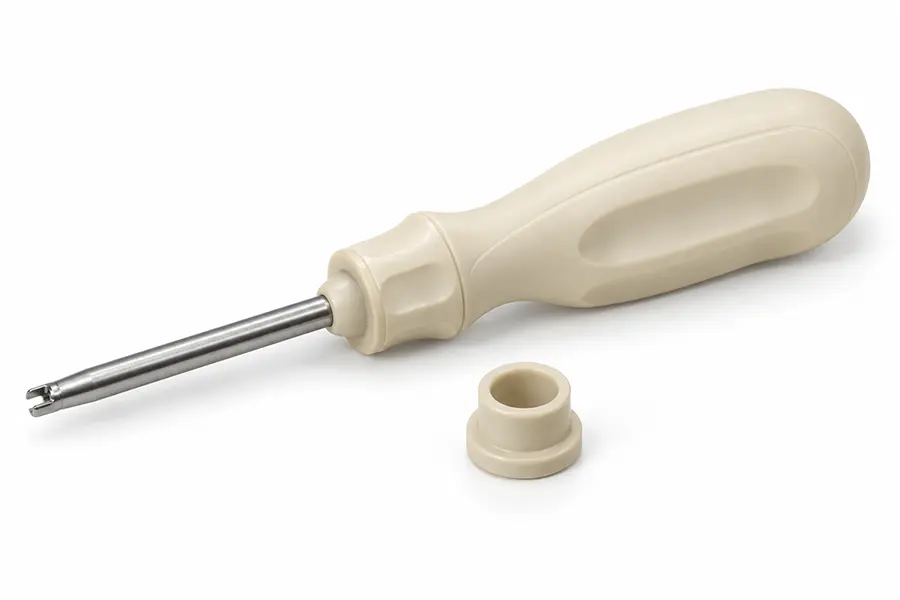 INSTRUMENT COMPONENTS
Surgical Instrument Components
Molded handles, insulating collars and supporting parts for reusable instrument assemblies.
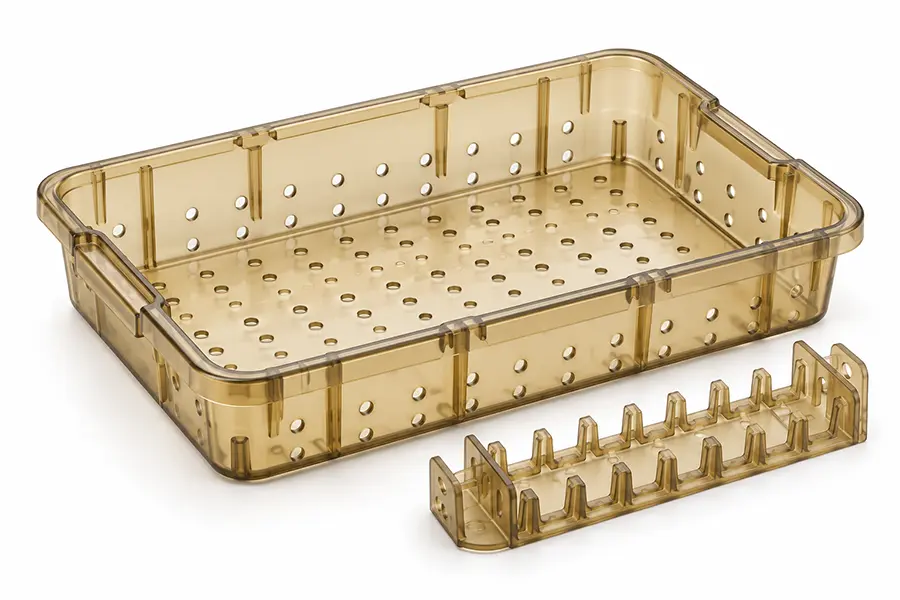 INSTRUMENT HANDLING
Sterilization Trays & Supports
Perforated trays, positioning racks and supports that organize instruments during handling and processing.
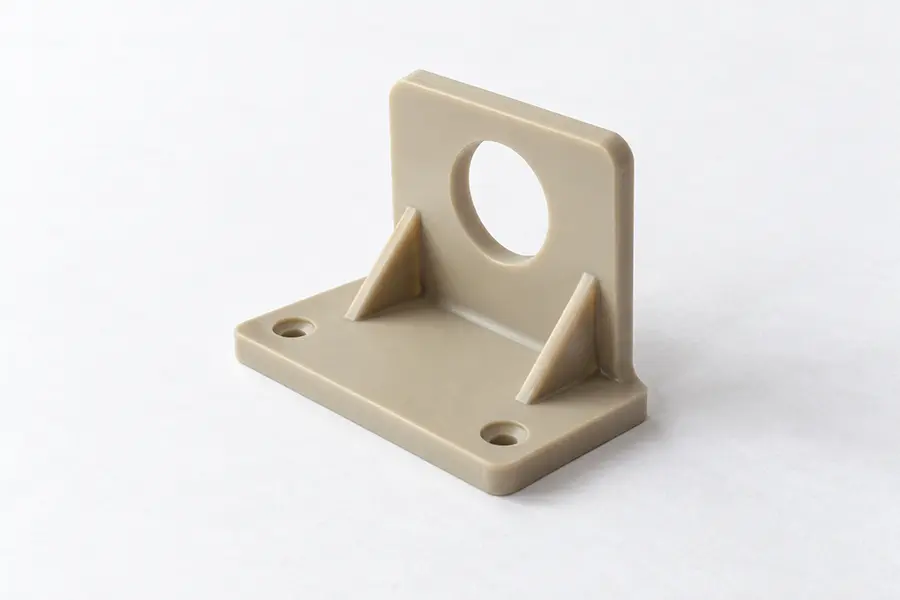 DIAGNOSTIC SYSTEMS
Diagnostic Equipment Components
Sensor brackets, module frames and internal supports for diagnostic and laboratory equipment.
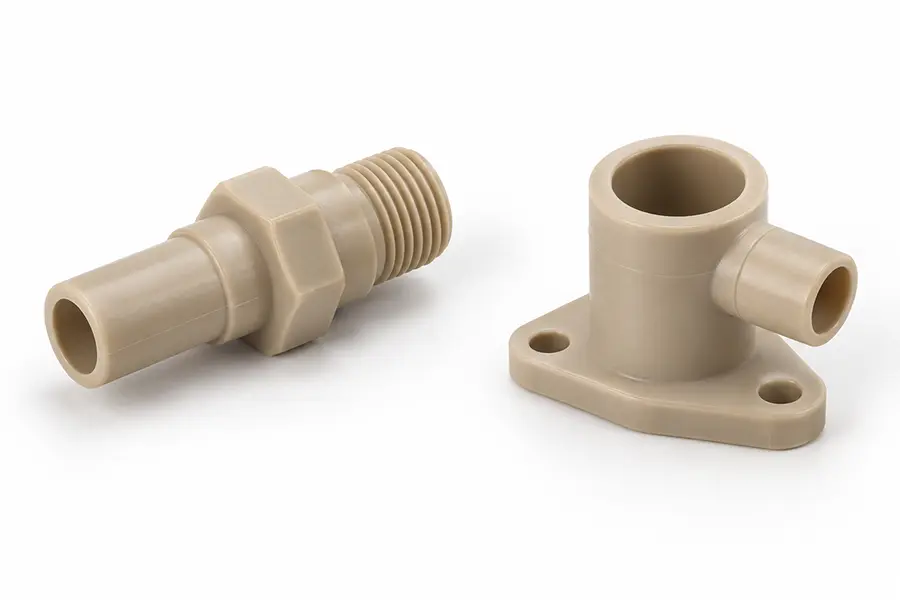 FLUID MANAGEMENT
Fluid Management Components
Manifold bodies, connectors and valve housings designed around the equipment’s fluid path and assembly.
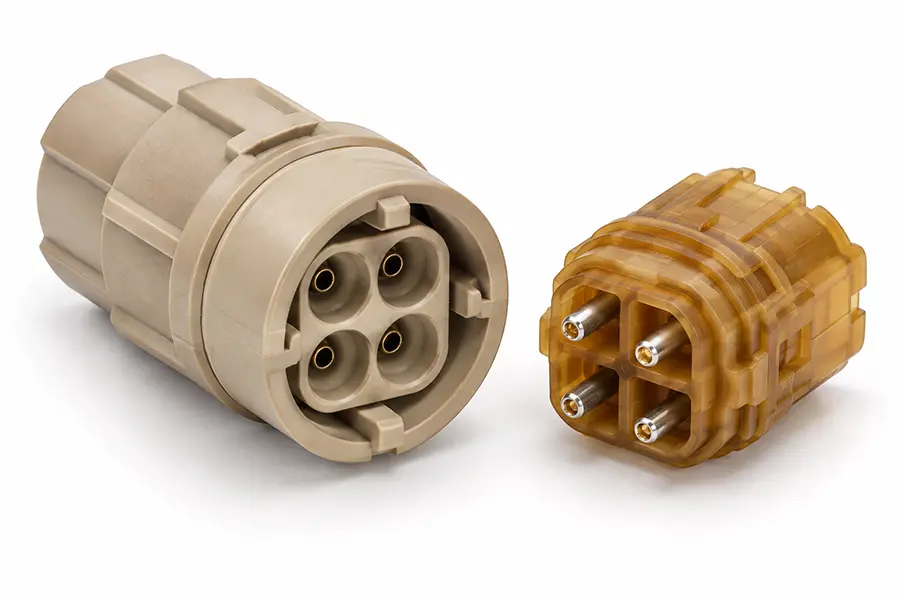 ELECTRICAL ASSEMBLIES
Medical Electrical Connectors
Connector housings, contact carriers and insulating components for medical electrical assemblies.
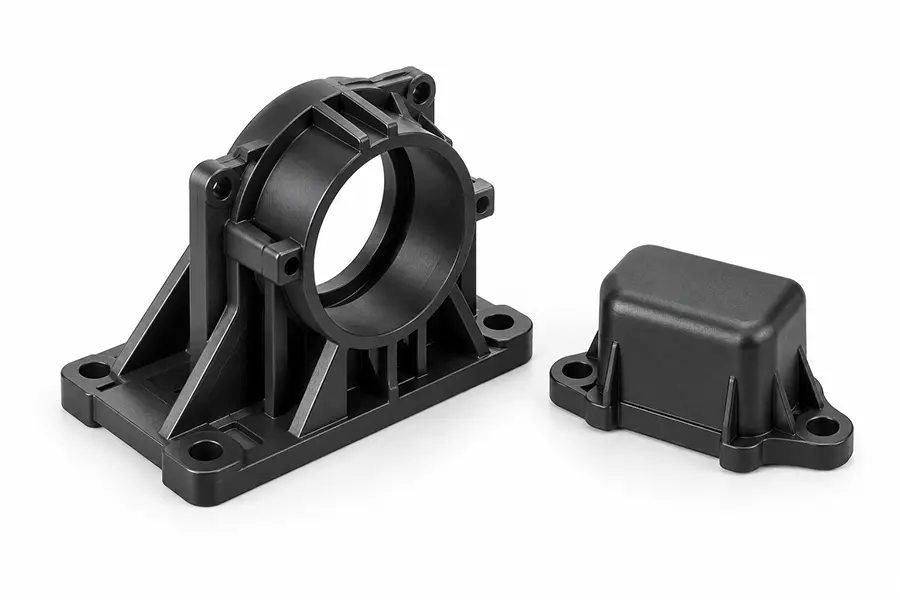 INTERNAL EQUIPMENT PARTS
Heat-Resistant Equipment Parts
Mounting brackets, protective covers and internal components positioned near heat-generating equipment.
Images illustrate application concepts. Final material grades are selected against component requirements, contact conditions and the intended sterilization process.
Quality & Traceability
Material grade checks, critical dimension inspection and batch records aligned with your project requirements.
Explore Quality ControlFrom CAD to Production
A coordinated process covering drawing review, mold development, sample approval and production delivery.
See Our ProcessEngineering & Manufacturing
In-house mold making, high-temperature plastic molding and engineering support from prototypes to production.
Why Work with RJCMedical Injection
Molding FAQs
Practical answers about high-temperature materials, sterilization requirements and custom medical components.
How do you select high-temperature plastics for medical components?
Selection starts with operating temperature, mechanical loads, chemical exposure, contact conditions and the intended sterilization method. PEEK, PPSU, PEI and other engineering plastics can be considered, with the specific grade reviewed against your drawing and application requirements.
Can molded components withstand repeated steam sterilization?
Suitability depends on the resin grade, part design and sterilization conditions. Share the cycle temperature, exposure time, expected number of cycles and any cleaning chemicals. These conditions guide material selection, while representative parts should be tested to confirm dimensional and functional performance over the intended service life.
What is the difference between a medical-grade resin and a standard grade?
A supplier-designated medical grade may include additional documentation, testing information or change-control support for specified applications. The designation does not automatically establish suitability for every medical use. The exact grade and supporting documents need to match the component’s contact type, contact duration and validation requirements.
Can you combine high-temperature plastics with metal inserts or soft materials?
We offer insert molding, overmolding and two-shot molding for suitable designs, along with silicone injection molding for flexible components. The process is reviewed around insert retention, molding temperatures, material compatibility and assembly needs. Where bonding is required, adhesion and performance should be confirmed through sampling and testing.
What information is needed for a medical injection molding quote?
Please provide a 3D CAD file, a dimensioned drawing where available, the specified material or target properties, order quantity and expected annual volume. Include critical tolerances, surface requirements, operating conditions, sterilization methods and any inspection or documentation requirements so these can be included in the project review.
What inspection and traceability documents can be included?
Documentation is agreed during quotation and project planning. Depending on the scope, this may include material documentation, first-article dimensional reports, inspection records and batch identification. Please specify required report formats, traceability depth and any validation support before tooling or production begins.
Let’s Review Your
Medical Plastic Part.
Share your design and application requirements. Our team can help review material options, part manufacturability and the next steps toward production.
A good review starts with:
- CAD files and critical dimensions
- Material and operating conditions
- Sterilization and contact requirements
- Quantity and documentation needs