
Custom Injection Molds Built for Your Production Needs
From part review and mold design to tooling, trials, and approval, RJC builds custom injection molds around your part geometry, resin, production volume, and target molding machine.
Injection Mold Solutions for Different Production Requirements
Match your tooling approach to your development stage, part design, and production volume. Mold construction and configuration are reviewed against your resin, quality requirements, and target machine.
Prototype & Low-Volume Molds
Tooling for design validation, functional testing, and initial production using your specified molding resin. A practical approach for projects with smaller quantities or evolving part designs.
Production Molds
Custom molds built for repeat production, with steel, cooling, and wear components selected around your resin, output requirements, and intended mold service life.
Multi-Cavity Molds
Produce multiple copies of the same part in each molding cycle. Cavity count is matched to production demand, part geometry, and machine capacity.
Family Molds
Mold different related components in one tool when their materials, quantities, and processing requirements are compatible. Suitable for selected component sets and assemblies.
Insert Molds
Tooling designed to mold plastic around positioned inserts, such as threaded bushings, contacts, or reinforcement components, with features to locate and retain each insert during molding.
Overmolding Molds
Tooling for molding an additional material over a preformed substrate to add grip, sealing, or protection. Mold design accounts for substrate positioning and material retention.
Share your part design, resin, and expected quantities so we can review a suitable tooling configuration.
In-House Injection Mold Manufacturing
Explore the machining, finishing, and assembly capabilities behind your custom mold—from individual tooling components to an assembled tool ready for trials.
-
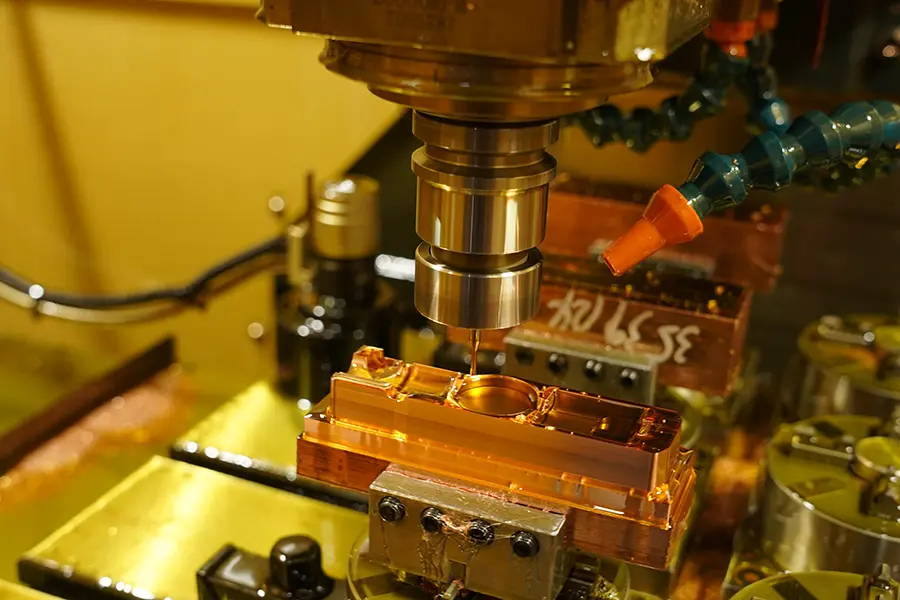
CNC Machining
Machining mold plates, cores, cavities, and inserts to establish the geometry of the tooling components.
-
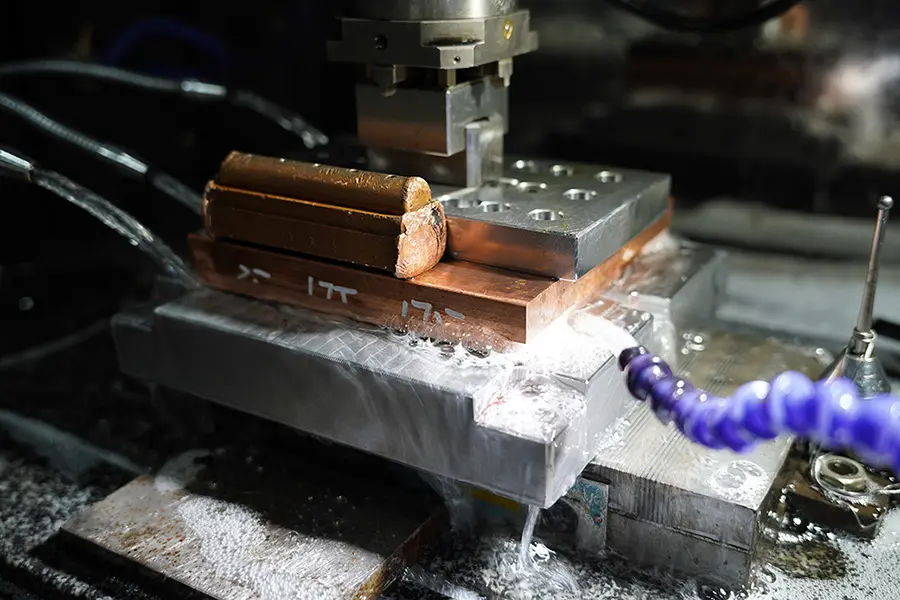
EDM Machining
Forming deep ribs, narrow recesses, and cavity details that are difficult to reach with conventional cutting tools.
-
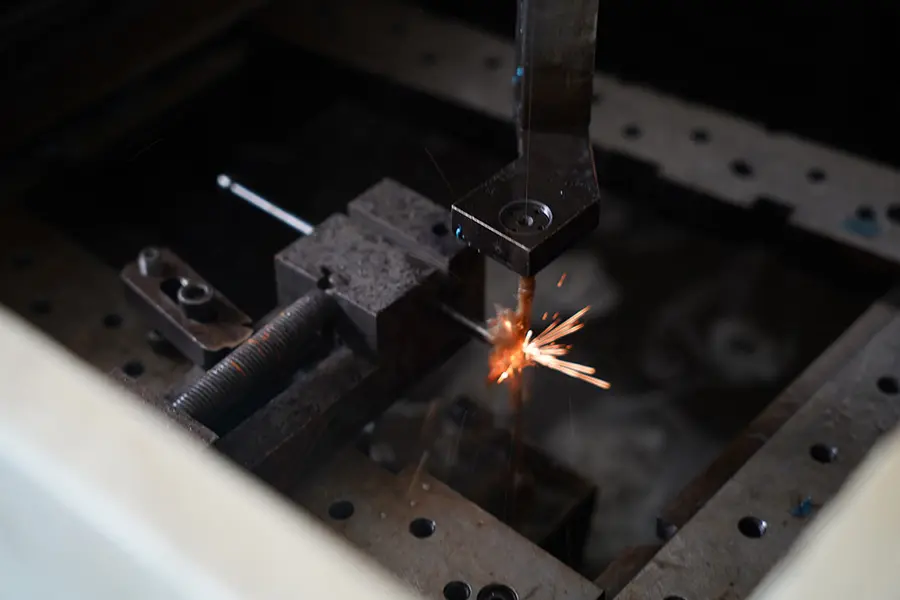
Wire EDM
Cutting precise profiles and through-features in mold inserts and other tooling components.
-
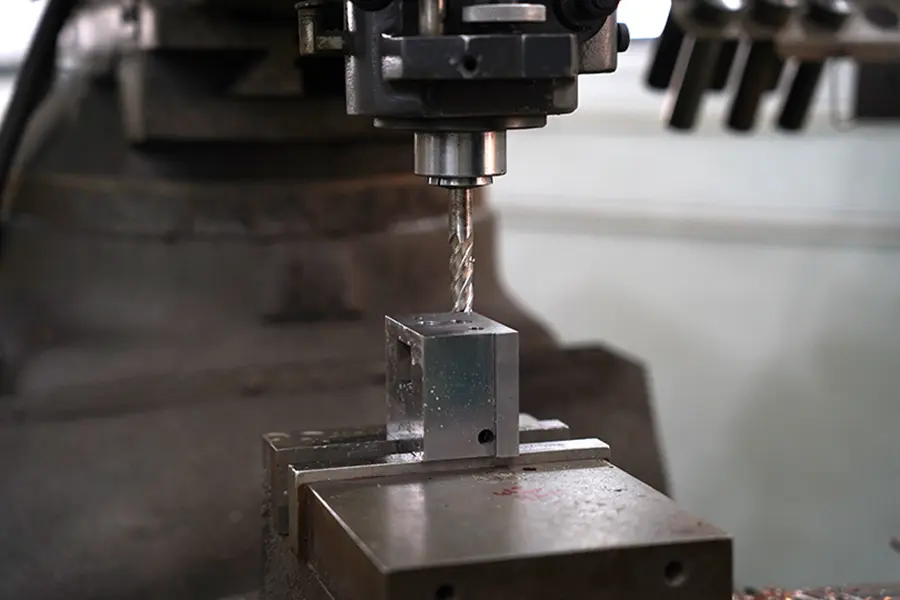
Deep Hole Drilling
Machining deep cooling channels in mold plates and tooling components according to the mold design.
-
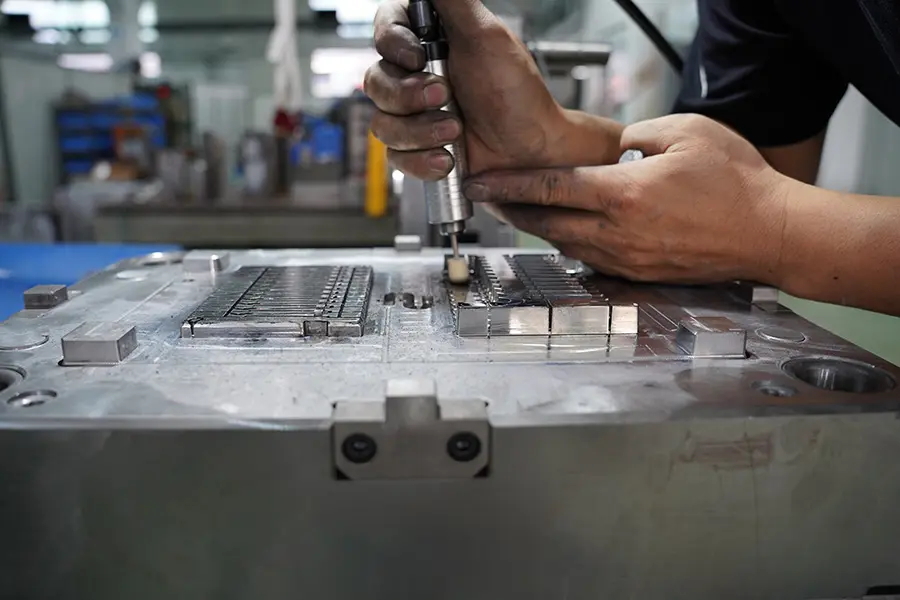
Mold Polishing
Refining cavity and core surfaces to support the specified molded part appearance and release requirements.
-
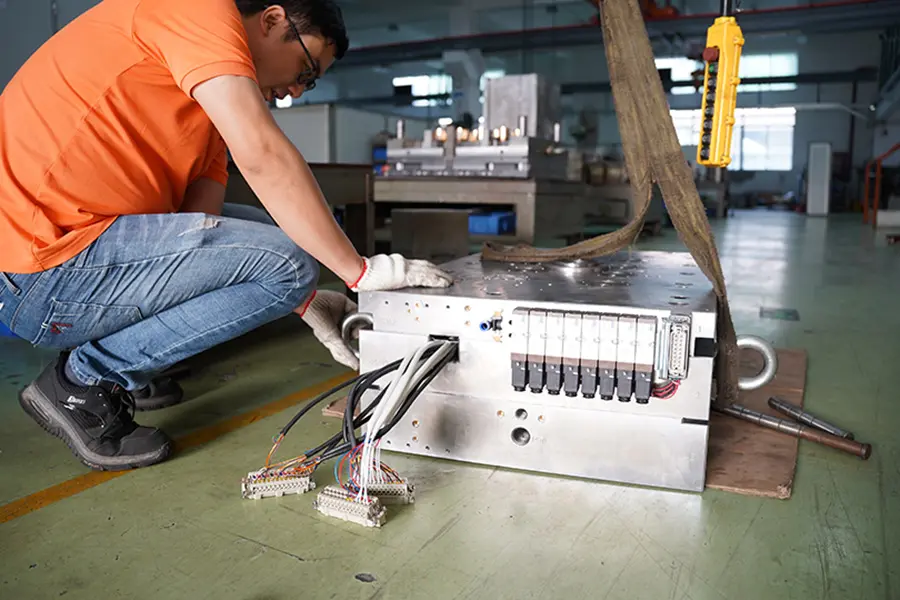
Mold Assembly & Fitting
Fitting mold components and checking mechanical movement before the assembled tool proceeds to trials.
Mold Design Starts with Your Part and Production Requirements
We review your part design and production conditions before defining the mold concept. DFM feedback and mold flow analysis help guide tooling decisions before machining begins.
What We Review
Share the available project information so the mold can be designed for its intended application and production facility.
- Part Files & Critical Dimensions
- 3D CAD, 2D drawings, tolerances, and mating or assembly requirements.
- Resin & Material Grade
- Specified resin, reinforcement, shrinkage data, and relevant processing requirements.
- Production Volume
- Expected annual quantities, batch sizes, and intended mold service life.
- Appearance Requirements
- Visible surfaces, finish specifications, and restrictions on gate or ejector marks.
- Target Machine & Facility
- Machine specifications, mold interfaces, and requirements of the factory that will use the tool.
Part Manufacturability Review
Review wall thickness, draft, ribs, bosses, and undercuts. Identify features that may complicate tooling or affect molding, and discuss proposed changes with you.
Gate Location & Filling Analysis
Assess gate options and, where needed, use mold flow analysis to evaluate filling behavior, weld lines, and air traps before finalizing the runner and gate design.
Parting, Side Actions & Ejection
Define the parting line, slides or lifters, and ejector locations around the part geometry, with attention to release, visible surfaces, and access for maintenance.
Cooling & Dimensional Stability
Plan cooling channels around the cavity layout and resin requirements. Review uneven cooling and warpage risks that may affect critical dimensions and cycle consistency.
Confirm the proposed mold concept, part changes, and agreed design details before tooling manufacture begins.
Mold Trials, Inspection, and Approval
A completed mold is evaluated through molding trials and sample inspection. We review tool operation and molded part quality against the agreed requirements, address identified issues, and submit results for your approval.
Mold Trials & Initial Samples
Run initial trials using the specified resin and agreed trial conditions. Check filling, part release, ejector movement, and cooling system operation while producing samples for evaluation.
Sample Inspection & Evaluation
Measure agreed dimensions and assess appearance, including flash, sink marks, weld lines, and surface finish. Review fit or functional checks where these form part of the project scope.
Corrections & Repeat Trials
Review trial findings to determine whether processing adjustments, tooling corrections, or part design changes are needed. Repeat trials and inspect affected features to verify the changes.
Customer Review & Approval
Submit samples and agreed inspection records for your review. Confirm acceptance against the project criteria and resolve outstanding items before authorizing mold shipment or production release.
Define Acceptance Before Trials Begin
Agree on what will be checked and what evidence is required, so both teams can evaluate the mold against the same criteria.
- Critical dimensions and tolerances
- Appearance and surface finish criteria
- Specified resin and trial conditions
- Required samples and inspection records
- Tool operation and agreed cycle targets
- Fit or functional checks, where required
Molds for Production at RJC or Your Facility
Plan where your mold will run from the beginning. We review the production location, machine requirements, and handover scope so the tooling is prepared for its intended use.
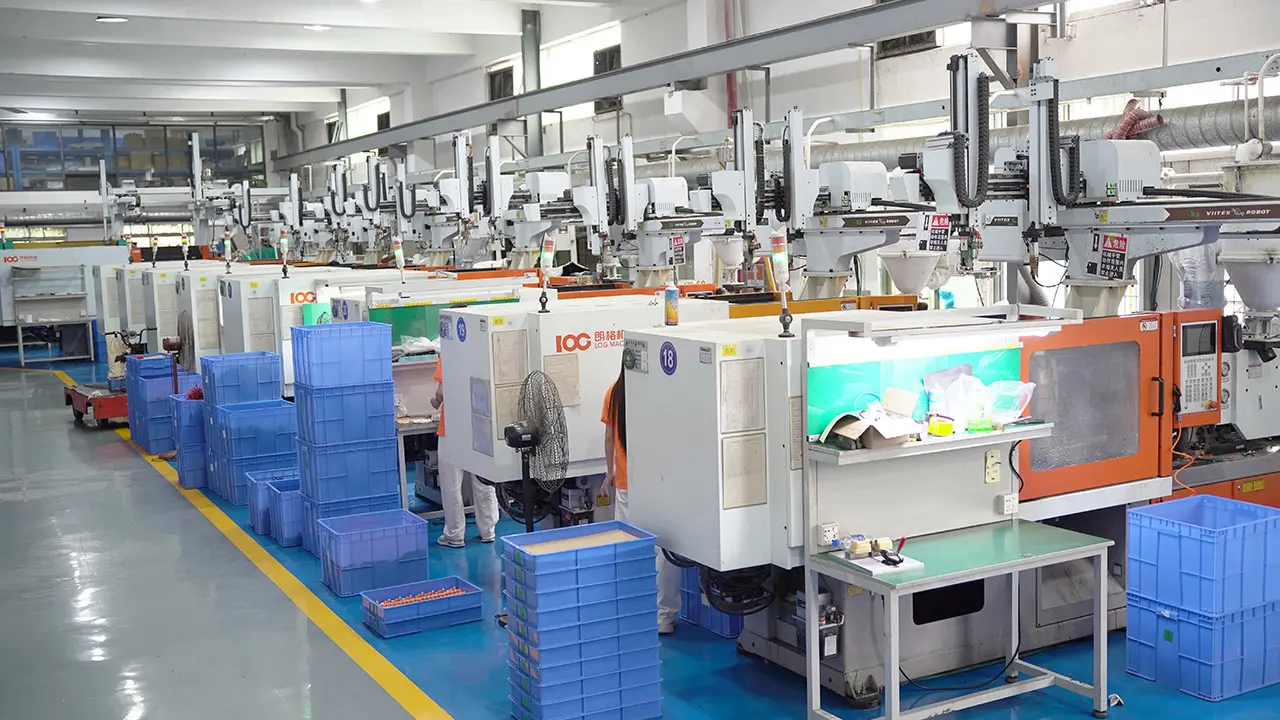
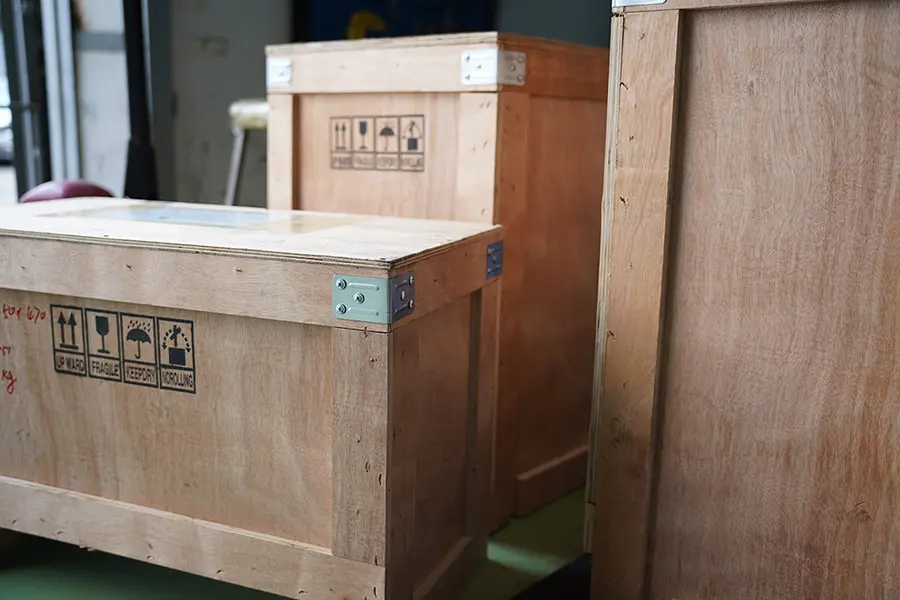
Confirm machine interfaces, required drawings and trial records, spare parts, protective packaging, and startup support as part of the agreed delivery scope.
Injection Mold Manufacturing FAQs
Answers to common questions about mold quotations, tooling configurations, trials, and delivery.
What information do you need to quote a custom injection mold?
Send your 3D CAD files, available 2D drawings, resin grade, expected production quantities, and appearance requirements. Include critical tolerances and the intended production location. For molds used at another facility, share the target injection molding machine specifications and any required tooling standards.
How long does it take to manufacture an injection mold?
The schedule depends on mold size, complexity, cavity count, steel selection, and purchased components. We confirm the proposed timeline after reviewing your files. Distinguish the first-trial date from final approval and shipment, as sample evaluation and tooling corrections also require time.
How are mold steel, cavity count, and runner systems selected?
These choices are reviewed together against your resin, part geometry, production demand, surface requirements, and target machine. Steel selection considers wear, corrosion, and polishing needs. Cavity count and cold or hot runner options are evaluated against output, filling balance, material usage, and tooling investment.
Can you build molds for high-temperature engineering plastics?
Yes. We review the specified resin grade and its processing requirements when developing the mold. For materials such as PEEK, PPS, and PEI, this includes mold temperature control, steel selection, venting, shrinkage, and thermal expansion. Filled grades also require attention to tooling wear.
Can the mold run on our existing injection molding machine?
The mold can be designed around your nominated machine after its specifications are reviewed. Relevant details include platen dimensions, tie-bar spacing, mold height limits, clamping arrangements, locating ring, nozzle interface, ejector system, and available connections. Machine shot capacity and clamping force must also suit the part and cavity configuration.
What samples and inspection records are provided for approval?
The approval package is agreed before trials and can include molded samples, dimensional inspection results, appearance findings, and trial conditions. Specify any required sample quantities, cavity identification, fit checks, or functional tests during the quotation stage so they can be included in the project scope.
Who owns the mold, and can it be shipped to another factory?
Mold ownership, payment conditions, and transfer rights should be stated in the tooling agreement. Molds can be built for production at RJC or delivery to your nominated facility. For external delivery, agree on machine compatibility, documentation, spare parts, packaging, and startup support before manufacturing begins.
Can you modify or repair an existing injection mold?
We can review an existing mold for modification or repair. Share available mold drawings, photographs, steel information, sample parts, and a description of the issue or requested change. Feasibility and cost are confirmed after assessing the tool condition, access to affected features, and the extent of the work.
Discuss Your Custom Injection Mold Project
Share your part files and production requirements. We will review the tooling approach, quotation scope, and delivery plan for production at RJC or your nominated facility.
What to Send
- 3D CAD files and available 2D drawings
- Resin grade and expected production quantities
- Critical dimensions and appearance requirements
- Target machine and mold delivery location
Share your available files, even if some project details are still being finalized.