
Automotive
Injection Molding
Services
Custom high-temperature plastic parts for automotive connectors, sensors, and thermal management systems—from tooling to production.
and operating temperature requirements.
- Under-Hood Heat Resistance
- Automotive Fluid Resistance
- Electrical Insulation
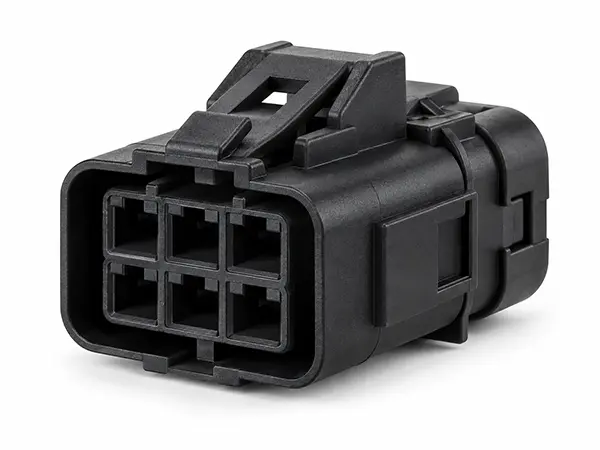
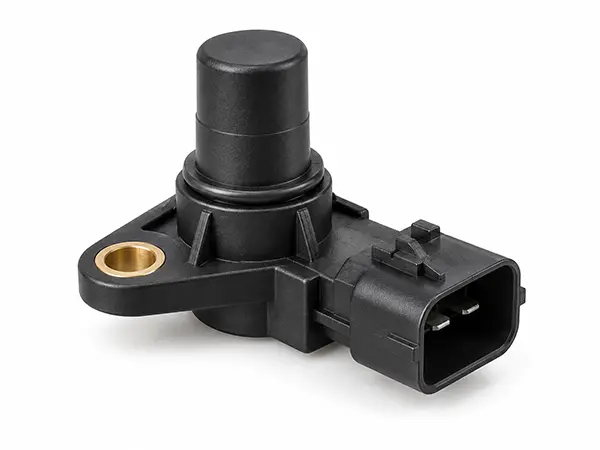
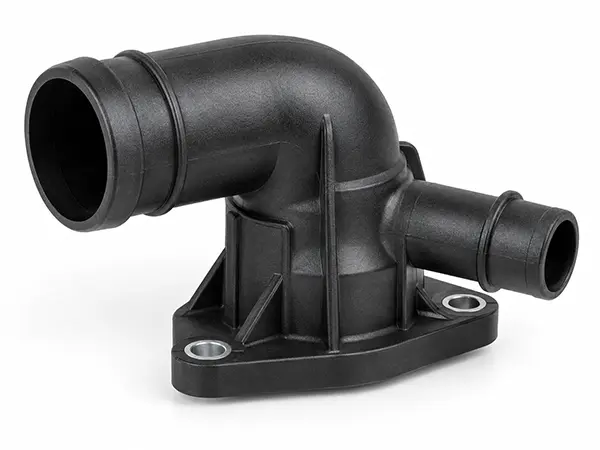
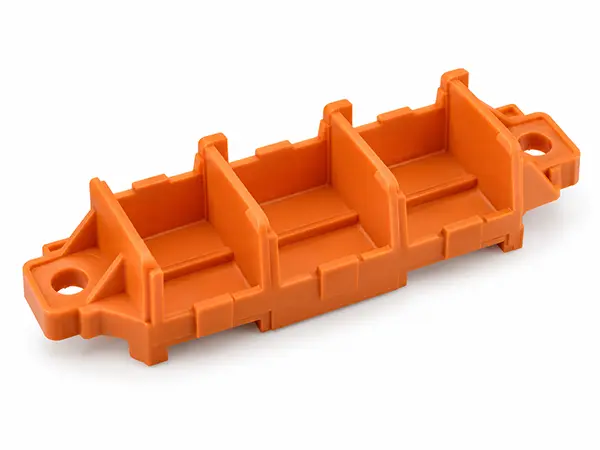
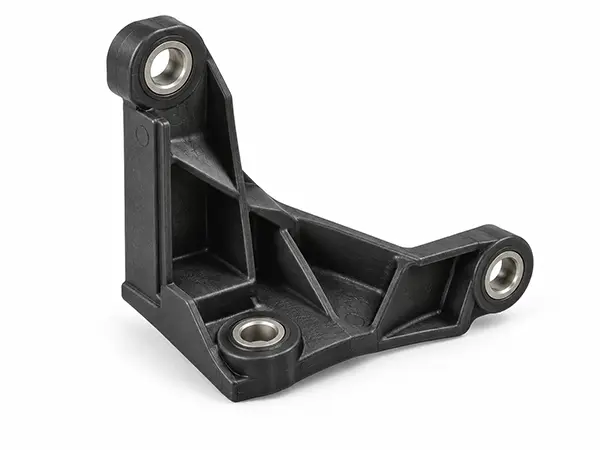
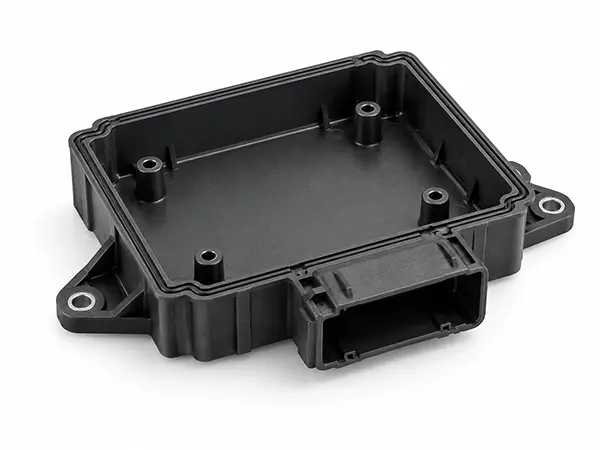
High-Temperature Plastics for Automotive Applications
Match your material to operating temperature, fluid exposure, electrical requirements and assembly loads.
Beyond heat resistance.
Automotive components face heat, vibration, fluids and repeated temperature changes. Material selection needs to account for how these conditions affect the finished part.
Under-Hood & Fluid Systems
Review continuous heat, short-term temperature peaks and exposure to coolant, oil or fuel.
Electrical & EV Assemblies
Check insulation, tracking resistance, flame rating and dimensional stability.
Mounting & Moving Parts
Consider stiffness, creep, wear and the effect of moisture on fit and performance.
| Material | Key Characteristics | Typical Components |
|---|---|---|
| PPS | Heat and chemical resistance with low moisture absorption. | Coolant housings, electrical connectors and pump components. |
| PPA | High stiffness and strength at elevated temperatures, particularly in reinforced grades. | Connector housings, sensor bodies and under-hood brackets. |
| PA46 | Heat resistance, fatigue performance and wear resistance. | Timing-system guides, bushings and high-temperature electrical parts. |
| LCP | Thin-wall flow, low moisture absorption and dimensional stability. | Miniature connectors, terminal carriers and precision electrical components. |
| PEI | Heat resistance, electrical insulation and flame-resistant grade options. | Electrical insulators, sensor supports and electronics components. |
| PEEK | High-temperature mechanical performance with chemical and wear resistance. | Specialty bushings, thrust washers and demanding pump components. |
Glass reinforcement, heat stabilizers and flame-retardant formulations change material performance. The final grade is selected against your part drawing, operating conditions and validation requirements.
Quality & Traceability
Material verification, critical dimension inspection and batch records for automotive connectors, housings and precision assemblies.
Explore Quality ControlFrom CAD to Production
Coordinate DFM review, mold development, sample evaluation and production around your automotive part requirements.
View Our WorkflowEngineering & Manufacturing
In-house tooling and high-temperature plastic molding support insert integration, sample refinement and repeat production.
Discover Our CapabilitiesAutomotive Injection Molding FAQs
Material selection, integrated features and production considerations for your automotive plastic components.
Have a specific part in mind?
Discuss Your ProjectHow do you select plastics for under-hood components?
We review continuous operating temperature, short-term heat peaks, mechanical loads and fluid exposure. The proposed grade is checked against your coolant, oil or fuel contact requirements, critical dimensions and intended service life.
What should be considered when choosing materials for EV electrical parts?
Electrical insulation, tracking resistance, flame rating and thermal performance guide material selection. Busbar supports and connector housings also require attention to dimensional stability and the assembly’s specified creepage and clearance distances.
Which automotive components use insert molding?
Electrical connectors use molded-in metal terminals, while sensor housings and mounting brackets use threaded inserts or sleeves. Tooling review covers insert positioning, retention and protection of exposed functional surfaces.
Can flexible seals be integrated into connector housings?
Yes. Overmolding and two-shot molding combine rigid housings with flexible sealing features. Material compatibility, seal compression and interface geometry determine the approach. Sealing performance is validated through the specified assembly tests.
How do you control warpage in reinforced plastic parts?
Wall thickness, rib layout, gate position and cooling are reviewed alongside fiber orientation and molding shrinkage. Trial molding and dimensional inspection guide adjustments around critical connector interfaces, sealing surfaces and mounting points.
Can you work with a specified automotive material grade?
Yes. Provide the manufacturer, full grade designation, color and relevant material specifications. We review processing requirements and sourcing before confirming the project. Any proposed substitution requires your approval.
What information is needed for a quotation?
Send CAD files, drawings, material requirements and expected quantities. Include operating temperatures, fluid exposure, critical tolerances and inspection requirements. For insert molding, provide the metal insert drawings or samples as well.
Let’s Review Your Automotive Plastic Part.
Share your CAD files, quantities and operating conditions to discuss material selection, tooling and production requirements.