
FROM TOOLING TO PRODUCTION
High-Temperature Plastic Injection Molding Services
Custom plastic parts with in-house mold making, engineering support, and production.
Get a Quote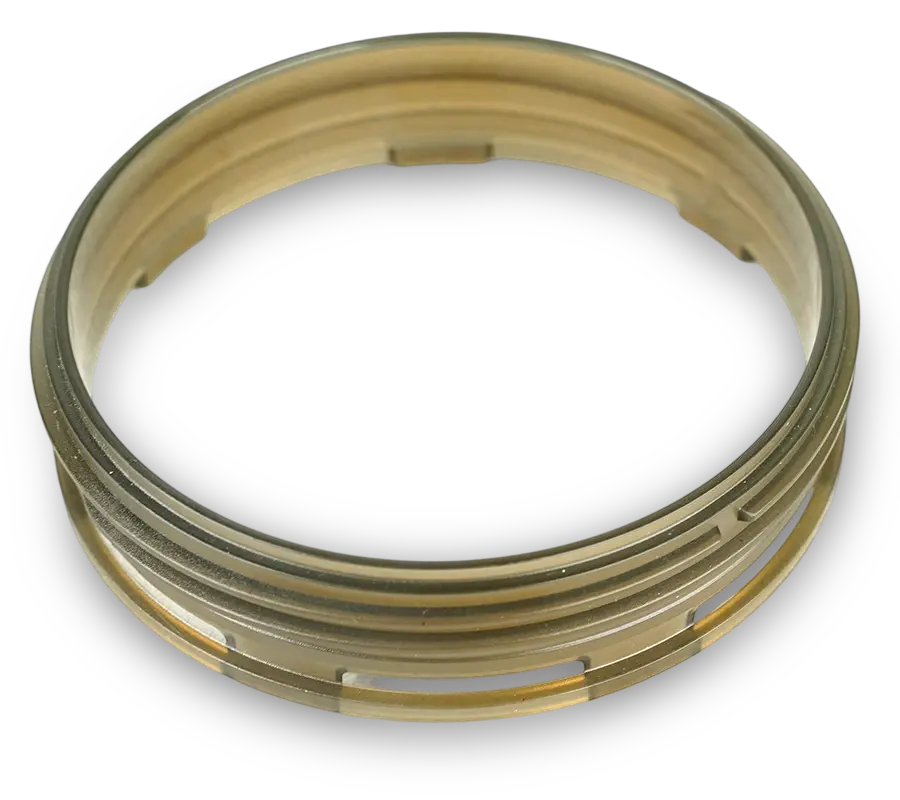
- Engineering Support
- In-House Mold Making
- Quality Inspection
MANUFACTURING CAPABILITIES
Injection Molding Capabilities
Review equipment capacity, tooling precision, and production options for your custom parts.
Materials & Equipment
| Clamping Force | 100-1000 tons |
|---|---|
| Maximum Part Size | 1200*1000*500 mm |
| Minimum Part Size | 10*10*10 mm |
| Wall Thickness | 0.5-5 mm |
Tooling & Precision
| Tooling Support | In-house mold design and manufacturing |
|---|---|
| Engineering Support | DFM review and mold flow analysis |
| Mold Cavity Tolerance | +/- 0.02 mm |
| Part-to-Part Repeatability | +/- 0.2 mm |
Production & Delivery
| Production Options | Prototypes, pilot runs, and mass production |
|---|---|
| T1 Sample Lead Time | 3 weeks |
| Production Lead Time | Confirmed after sample approval and order review |
| Additional Services | Surface finishing, assembly, and custom packaging |
Injection Molding Services
Choose the molding process that fits your part design, material, and assembly requirements.
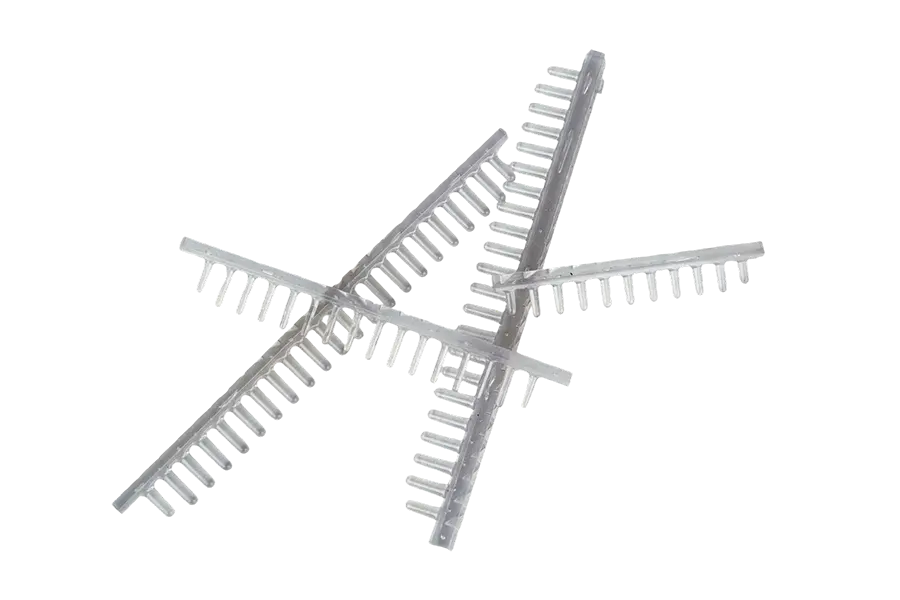
Conventional Injection Molding
Custom single-material plastic parts, from trial samples and low-volume runs to mass production.
Discuss Your Part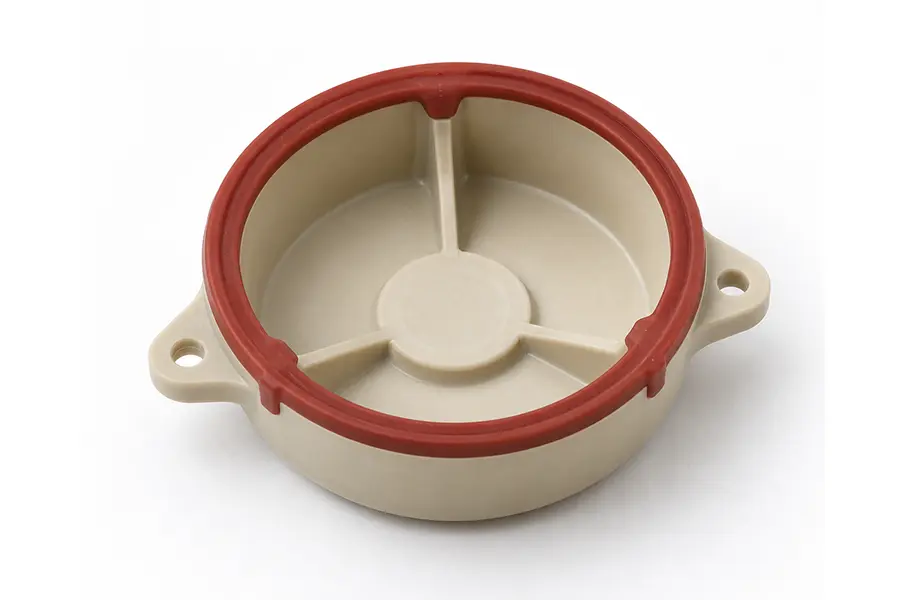
Overmolding
Mold a second material over a substrate to add grip, cushioning, or integrated sealing features.
Explore Overmolding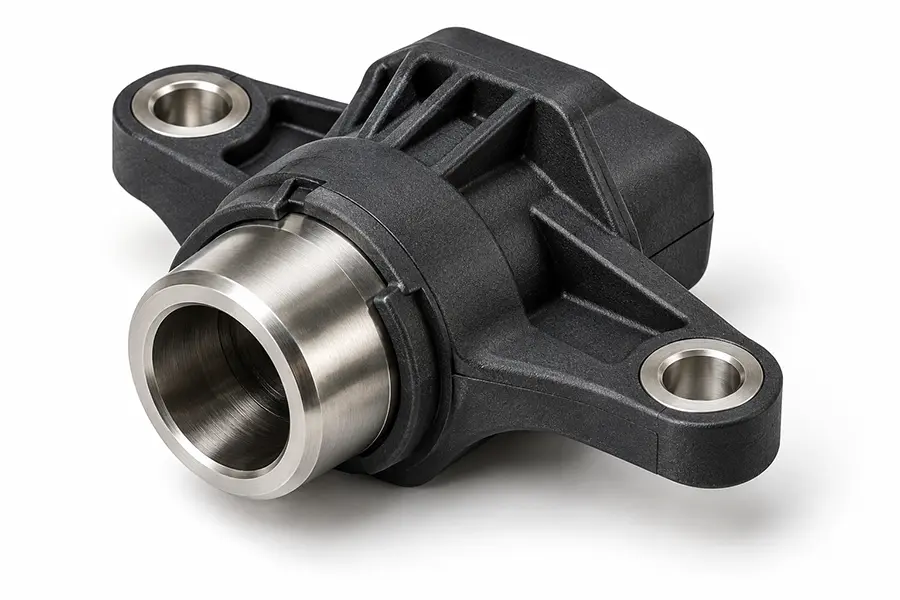
Insert Molding
Mold plastic around metal inserts to integrate threads, electrical contacts, or reinforced mounting points.
Explore Insert Molding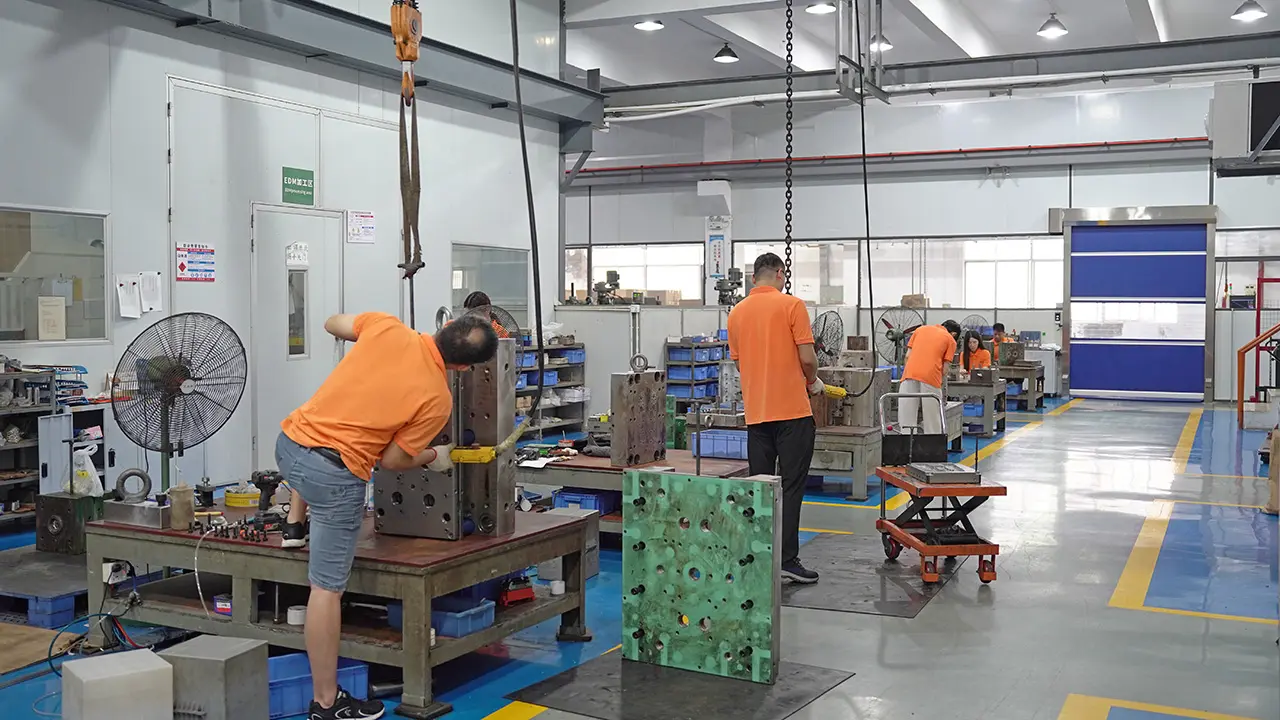
Engineering & In-House Tooling
Bring part design, material selection, and mold manufacturing together before production begins.
DFM & Mold Flow
Review wall thickness, draft, gate locations, and filling risks before cutting steel.
In-House Mold Making
Design and manufacture tooling around your selected resin, part geometry, and production volume.
Mold Trials & Validation
Check trial samples for dimensions, appearance, and fit, then refine tooling before production approval.
High-Temperature Plastics for Your Application
Compare high-temperature plastics by key properties, typical applications, and indicative material costs to find suitable options for your parts.
| Material | Reference Price (USD/kg) | Key Features | Typical Applications |
|---|---|---|---|
| PBI Polybenzimidazole | Approx. $180 | High-temperature mechanical performance. | Aerospace components and semiconductor handling fixtures. |
| PAI Polyamide-imide | Approx. $112 | Strength and wear resistance at elevated temperatures. | Compressor seal rings and transmission components. |
| Medical-Grade PEEK Polyetheretherketone | Approx. $165 | Medical grades with application-specific documentation requirements. | Surgical instruments; implant components only with qualified implant-grade material. |
| General-Purpose PEEK Polyetheretherketone | Approx. $45–60 | Thermal, mechanical, and wear performance for industrial parts. | Semiconductor carriers, bushings, and bearing components. |
| PPSU Polyphenylsulfone | Approx. $43 | Resistance to repeated steam sterilization. | Sterilization trays and reusable medical components. |
| PEI Polyetherimide | Approx. $42 | Heat resistance and flame-performance options. | Aircraft interior components and electrical connectors. |
| LCP Liquid Crystal Polymer | Approx. $27 | Electrical performance and precision thin-wall molding. | High-frequency antenna components and miniature connectors. |
| PVDF Polyvinylidene Fluoride | Approx. $21 | Chemical and weather resistance. | High-purity fluid-handling fittings and chemical-service components. |
| PESU / PES Polyethersulfone | Approx. $15 | Heat resistance and transparency in suitable grades. | Medical fluid-handling parts and filtration components. |
| PTFE Polytetrafluoroethylene | Approx. $9 | Low friction and chemical resistance. | High-temperature gaskets, seals, and corrosion-resistant liners. |
Surface Finishes & Secondary Operations
Define surface, assembly, and packaging requirements alongside your high-temperature resin specification.
Molded Surface Finishes
Specify polished or textured surfaces, gloss preferences, and acceptable gate and ejector marks.
Secondary Machining
Review post-molding drilling, tapping, or machining needs for critical features and mating interfaces.
Component Assembly
Coordinate molded parts with inserts and mating components, including agreed fit and assembly checks.
Protective Packaging
Specify part separation, identification, and custom packaging for handling and shipment.
Secondary operations are reviewed for compatibility with the selected resin, reinforcement, and service conditions.
Quality Control from Tooling to Production
Define critical dimensions, material requirements, and acceptance criteria before your high-temperature parts enter production.
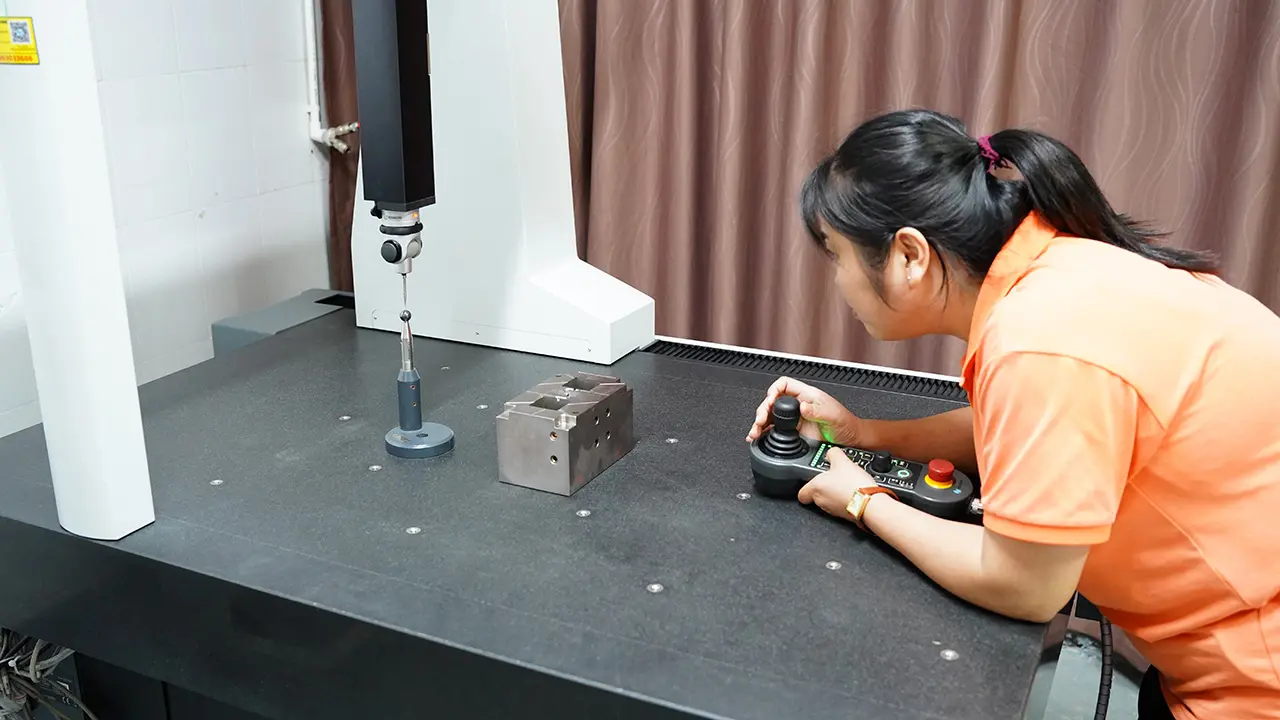
Tooling & Sample Validation
Check trial parts against approved drawings, with attention to warpage, critical dimensions, and mating features.
In-Process Inspection
Verify material identification and check critical dimensions and visible defects at agreed production intervals.
Final Inspection & Release
Review finished parts, inspection records, identification, and packaging against agreed delivery requirements.
Include any material certificates, dimensional reports, or thermal and functional testing requirements with your inquiry.
From CAD Review to Delivered Parts
A clear path from your high-temperature part requirements to approved samples and production.
-
Share Your Requirements
Send CAD files, resin specifications, operating conditions, and production quantities.
-
Review DFM & Quote
Review material suitability, molding risks, tooling scope, pricing, and project timing.
-
Design & Build the Mold
Finalize mold design and manufacture tooling following design approval.
-
Validate Trial Samples
Review dimensions, appearance, and fit. Complete agreed adjustments and sample approval.
-
Start Production
Mold approved parts with agreed process controls and in-process inspection checks.
-
Inspect & Deliver
Complete final inspection, protective packaging, and shipment arrangements.
Why Work with RJC?
Engineering, tooling, and production support for your high-temperature plastic parts.
In-House Tooling & Molding
Direct coordination between the teams designing your mold, building tooling, and producing your parts.
Engineering from the Start
Review resin requirements, part geometry, and molding risks before committing to tooling.
Defined Quality Requirements
Establish critical dimensions, sample approval criteria, and inspection needs for your application.
Support Beyond Molding
Coordinate secondary machining, component assembly, and protective packaging through one manufacturing team.
High-Temperature Injection Molding FAQs
How do I choose a high-temperature plastic for my part?
Share the continuous operating temperature, short-term peaks, mechanical loads, and chemical exposure. Include electrical, flame-rating, or sterilization requirements where relevant. The exact resin grade and reinforcement should be evaluated against these conditions before tooling.
Can an existing injection mold be used with a high-temperature resin?
It requires an engineering review. The mold’s temperature-control system, steel, gates, venting, and shrinkage allowance must suit the selected resin. A mold designed for another material may need modification or replacement, and the molding equipment must also support the required processing conditions.
What information is needed for a quote?
Send your 3D CAD files, available 2D drawings, resin specification, order quantity, and target delivery date. Identify critical dimensions, cosmetic surfaces, service conditions, and any inspection or documentation requirements.
What affects the cost of injection molded parts?
Cost depends on part geometry, mold complexity, cavity count, resin grade, cycle time, and production quantity. Secondary operations and inspection requirements also affect the quote. Consider the tooling investment together with the recurring cost per part.
Can I review samples before production?
Yes. Trial samples are provided for review before production approval. Sample quantities, dimensional reports, functional checks, and acceptance criteria should be agreed during project planning.
What tolerances can be achieved?
Achievable tolerances depend on the resin grade, reinforcement, part size, geometry, and tooling. Mark critical dimensions on your drawing so their feasibility and inspection method can be reviewed during DFM.
Do you support low-volume production?
RJC supports prototype quantities, pilot runs, and mass production. Share your initial order quantity and expected future demand so the tooling approach can be evaluated for your project.
How long do tooling and production take?
Timing depends on mold complexity, resin availability, sample iterations, and order quantity. The project schedule is confirmed during quotation, with tooling, trial samples, and production after sample approval identified separately.
Let’s Discuss Your High-Temperature Plastic Parts
Share your CAD files, material requirements, and production quantity for an engineering review and project quote.